Which eye cream for which job
The best eye cream depends on the job, so match the formula to your concern rather than to the rank. Here is how the catalog entries divide up. Ratings measure customer experience, not clinical results.
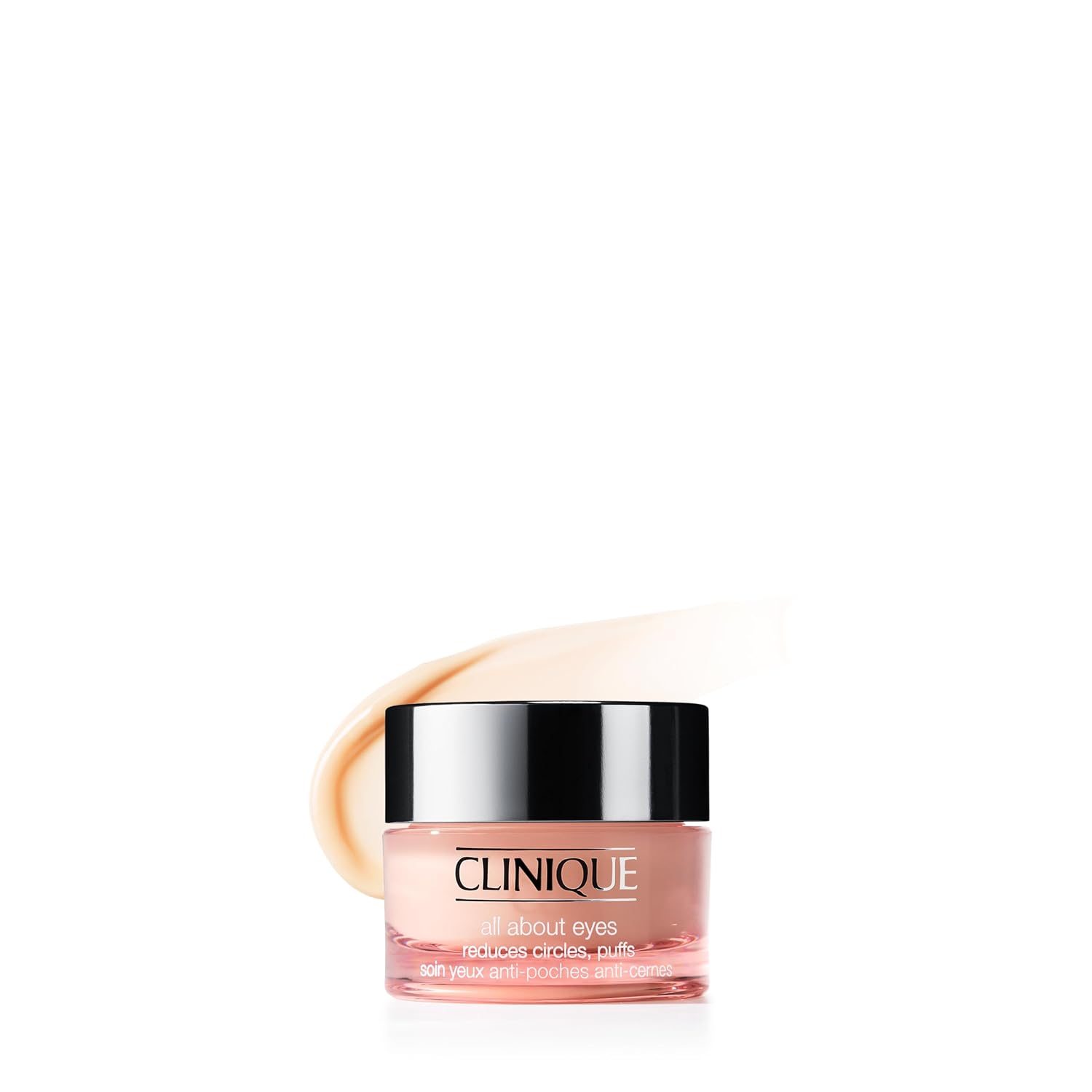
- Dry under-eyes: CeraVe Eye Repair Cream (niacinamide, hyaluronic acid, ceramides) or Clinique All About Eyes Lightweight Eye Cream, which costs more and adds only light hydration.
- Temporary puffiness: Neutrogena Hydro Boost + Caffeine, The INKEY List Caffeine Eye Cream or the Garnier Anti-Puff Eye Roller. All rely on caffeine, and the effect is temporary.
- Fine lines: RoC Retinol Correxion if you want retinol and can tolerate it, or CeraVe Skin Renewing Eye Cream for a non-retinol peptide formula.
- Dark circles: the hardest job. Our catalog notes say CeraVe’s two eye creams and The INKEY List do not target brightening, and the Garnier roller, which lists a vitamin C derivative, notes that its cooling effect is brief.
Choose one job for your eye product
For dryness, start with a comfortable hydrating formula and avoid adding strong face treatments around the eyes. For temporary puffiness, caffeine-containing products are often marketed, but a cosmetic response is not a fix for persistent bags or swelling.
For brown-looking discoloration, a pigment-focused formula may be worth discussing, while a shadow from hollowing may change little with cream. You cannot reliably diagnose the cause by color alone. Sudden, painful or one-sided swelling deserves medical attention rather than a different eye cream.
Retinol near the eyes needs its own directions
Use an eye-area retinol product only as labeled. Do not move a face retinol or exfoliating acid toward your lash line because an anti-aging list recommends retinoids. A plain moisturizer may be sufficient for dryness if suitable for the area.
Eye cream is optional in the routine order. A hydrating product commonly goes before a heavier moisturizer; a treatment follows its own label. Read the retinol guide for family and strength differences without assuming that face and eye products are interchangeable.
Daily habits and the limits of a product list
Keep sunscreen suitable for the eye area, avoid rubbing irritated skin and seek advice for recurrent rash or swelling. Choose one product rather than stacking caffeine, retinol and multiple brightening serums around a sensitive area.
The morning routine and aging-focused routine help put an optional eye cream in perspective. If neither dryness nor a cosmetic concern bothers you, buying an eye cream is not necessary to complete a skincare routine.
How to choose eye creams
Eye creams can improve comfort and the look of fine lines by hydrating thin under-eye skin, but they should be judged modestly. Puffiness, hollowing, vascular darkness, pigment, allergy, sleep, and anatomy can all look like “dark circles,” and no over-the-counter cream corrects all of those causes. This ranking favors fragrance-conscious, hydrating, and texture-friendly formulas rather than miracle claims.
Look for glycerin, hyaluronic acid, niacinamide, peptides, caffeine for temporary puffiness, retinol or retinal only if the product is built for the eye area, and fragrance-free labeling if you react easily. Avoid applying strong face acids or retinoids close to the lash line unless directed.
- Hydrates without milia-prone heaviness for most users.
- Avoids aggressive fragrance around the eye area.
- Makes realistic claims about puffiness and lines.
- Works under sunscreen or concealer without pilling.
Choosing an eye cream for dark circles and puffiness
For dark circles
First identify the look you are trying to improve: pigment, visible vessels, shadow from hollowing, dryness, and sleep or allergy-related darkness do not respond the same way. An eye cream can hydrate and soften the appearance of fine lines, but it cannot reliably erase every type of dark circle.
For puffiness
A cooling texture, gentle application, and caffeine can offer temporary cosmetic improvement for some people. Persistent, sudden, painful, or one-sided swelling is not an eye-cream shopping problem and deserves medical attention.
For dark circles and puffiness together
Choose a simple, comfortable formula first: hydration and a texture that layers under sunscreen or concealer are more useful than a long list of aggressive actives. Consistency, sun protection, and avoiding an irritating formula matter more than chasing a dramatic overnight claim.
When topical care has limits
If the concern is largely anatomy, inherited pigment, allergy, or hollowing, a topical product may only make a modest difference. Treat a product that irritates, causes tearing, or makes skin scaly as a poor fit—not as evidence that it is “working.”
How to use this category safely
Use a rice-grain amount per eye, tap around the orbital bone, and keep product out of the eye itself. If a formula causes tearing, burning, scaling, or swelling, stop. The under-eye tolerates less experimentation than the cheeks.
The most common shopping mistake is treating a category roundup like a shopping list. You usually need one product from a category, not every promising product in it. If you add a new product, keep the rest of the routine stable for at least several uses so you can tell whether it helped, did nothing, or irritated your skin.
Who should skip, patch-test, or ask a dermatologist
Skip eye creams as the main plan for sudden swelling, one-sided puffiness, rash, pain, or rapidly changing discoloration. Those patterns can be allergic, infectious, vascular, or medical rather than cosmetic.
Patch-testing is especially important if you have sensitive skin, eczema history, fragrance allergy, frequent rashes, or a pattern of products that sting on contact. Product roundups can narrow the field, but they cannot diagnose acne, dermatitis, melasma, rosacea, infection, or a suspicious lesion.