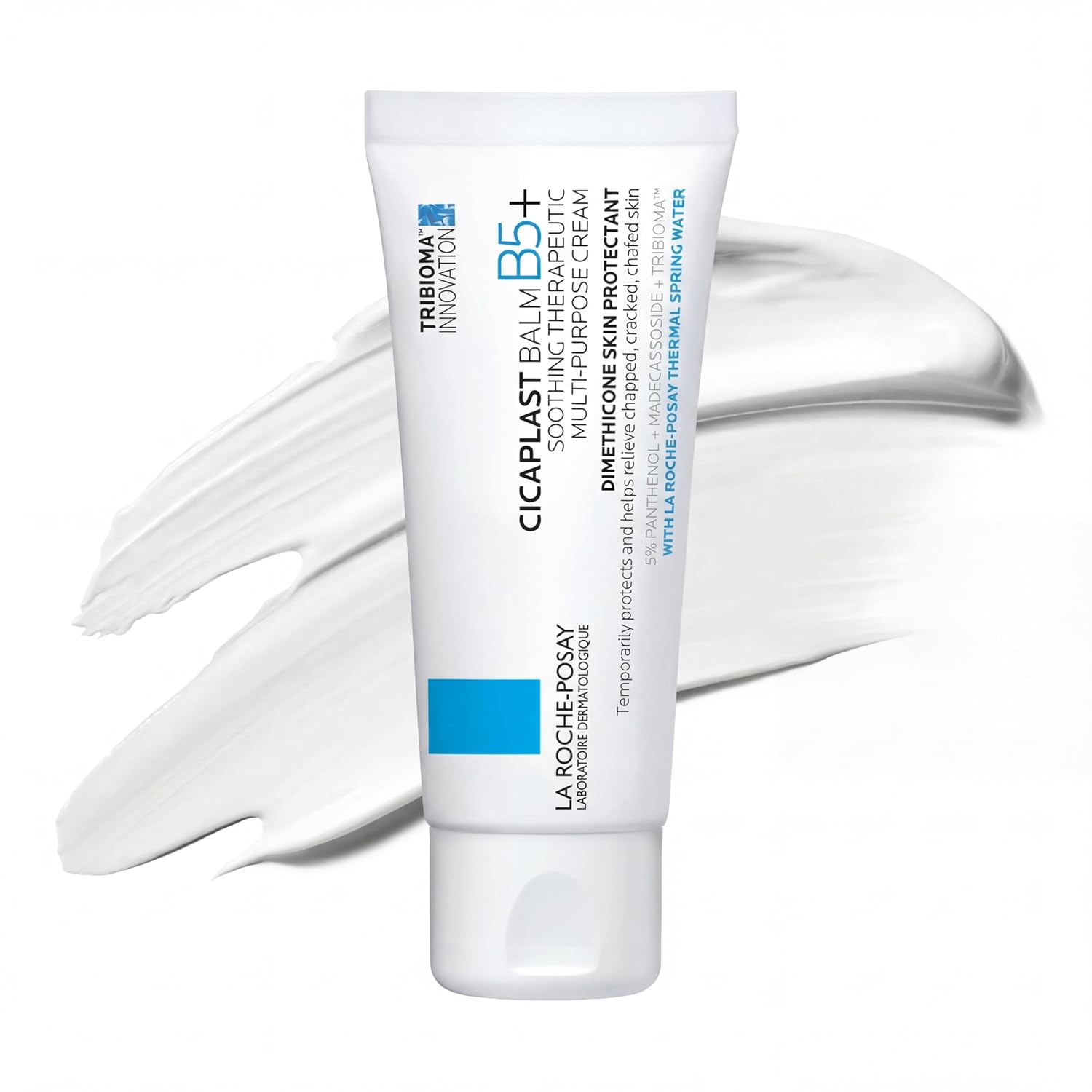
The dermatology logic behind this sensitive skin routine
Sensitive skin is less a formal diagnosis than a pattern: products sting, redness lingers, and the skin seems to have a short fuse. The safest routine starts by reducing variables. Fragrance-free cleansing, a bland moisturizer, sunscreen, and slow patch-style testing are more valuable than a long list of “calming” botanicals. The American Academy of Dermatology recommends testing new products when reactions are a concern and notes that fragrance-free is different from unscented.[1][2]
The routine below is deliberately practical: it starts with the steps most likely to change outcomes, then keeps the product count low enough that you can repeat it. That matters for both skin and SEO-level trust: the strongest guidance is not a dramatic before-and-after promise, but a clear explanation of what each step is supposed to do, how long it should take, and when a product routine is no longer the right tool.
How to read the label before you buy
The best sensitive-skin labels are boring in the right way: “fragrance-free,” “for sensitive skin,” “non-comedogenic,” “mineral sunscreen,” “ceramides,” and “colloidal oatmeal” when relevant. Be cautious with essential oils, heavy fragrance, high-strength acids, and stacked retinoids. Botanical does not automatically mean gentle; plant extracts can still irritate reactive skin.
Treat the front of the bottle as marketing and the back of the bottle as the evidence trail. The active ingredient, texture, fragrance status, and usage directions tell you whether a product fits your skin better than a claim like “clean,” “clinical,” or “glass skin.” When two products look similar, choose the one you will apply consistently and replace on schedule.
- Keep the routine short: cleanser, moisturizer, sunscreen, then one optional treatment.
- Choose fragrance-free, not merely unscented.
- Patch-test new products and introduce them one at a time.
- Stop chasing actives until the baseline routine feels calm.
Morning and night strategy
The morning routine should minimize contact time with potential irritants. Rinse or cleanse gently, apply a barrier-supporting moisturizer, and use a sunscreen you tolerate. Mineral sunscreens with zinc oxide or titanium dioxide are often preferred by reactive users, though the best option is the one that does not sting and that you can apply generously.
Night is for repair, not ambition. Cleanse gently and moisturize. If you want to add an active, introduce one product at a time, two or three nights a week, and keep the rest of the routine unchanged. For sensitive skin, a product that works beautifully for someone else can still be wrong for you; the reaction pattern is data.
Separating morning protection from nighttime treatment also makes troubleshooting easier. If a morning layer pills, burns, or feels too greasy, you can adjust texture without changing your active treatment. If a nighttime active causes peeling or stinging, you can reduce frequency without abandoning sunscreen or moisturizer.
What results timeline is realistic
The useful metric is calm skin: less stinging, less random redness, and fewer “everything burns” days. Once skin is calm for two to four weeks, you can test one new active. If a reaction happens, stop the newest product first and return to the baseline. Severe swelling, blistering, or spreading rash needs medical attention.
Use a simple tracking rule: judge comfort in days, breakouts and texture in weeks, and pigment or fine lines in months. That timeline protects you from both impatience and over-treatment. If the skin barrier is uncomfortable, solve that first; irritated skin is less tolerant of the very actives people buy to improve it.
How to adapt the routine through real life
A sensitive skin routine should not be frozen in place all year. Weather, travel, indoor heat, humidity, workouts, shaving, menstrual cycles, stress, medications, and sunscreen texture can all change how the same products feel. The right adjustment is usually small: a richer moisturizer on dry weeks, fewer active nights after irritation, a lighter sunscreen in humid weather, or a more careful cleanse when sunscreen and sweat build up. The core routine stays recognizable so the skin is not forced to relearn everything at once.
This is also where most people accidentally create noise. If you change cleanser, serum, moisturizer, sunscreen, and treatment in the same week, you have no clean signal. Change one variable, keep notes, and watch comfort first. If the routine improves, keep going. If it stings, flakes, clogs, or creates a new rash, return to the last boring baseline and rebuild from there. That slow method is less exciting than a haul, but it is much closer to how careful dermatology decisions are made.
Common mistakes that make this routine weaker
Most routine failures are not because the person “does not care enough.” They happen because the routine asks for too many steps, uses textures the person hates, or stacks actives before the skin has adapted. The best routine has enough specificity to work and enough restraint to keep using it.
Persistent sensitivity can be rosacea, eczema, allergic contact dermatitis, perioral dermatitis, or medication-related irritation. Patch testing by a dermatologist can identify allergy triggers when the same pattern repeats. That matters because the fix may be avoiding a preservative, fragrance mix, lanolin, or botanical rather than buying a more expensive “sensitive” cream.[1]
- Do not assume natural fragrance or essential oils are safer.
- Do not exfoliate through stinging; irritation is not a purging phase.
- Do not use several new “calming” products at once, because you will not know which one helped or hurt.
How our product picks stay independent
The products on this page come from the same catalog and ranking logic as the quiz: category fit, ingredient fit, customer rating, review volume, estimated price, and whether a product can complete a usable routine. Affiliate links do not change the price you pay, and they do not create paid placement in the rankings. When the evidence points toward a boring drugstore product, the boring drugstore product wins.
This page is educational, not a diagnosis. If your skin is painful, rapidly changing, infected-looking, scarring, or not improving despite a consistent plan, the right next step is a board-certified dermatologist rather than another round of product roulette.