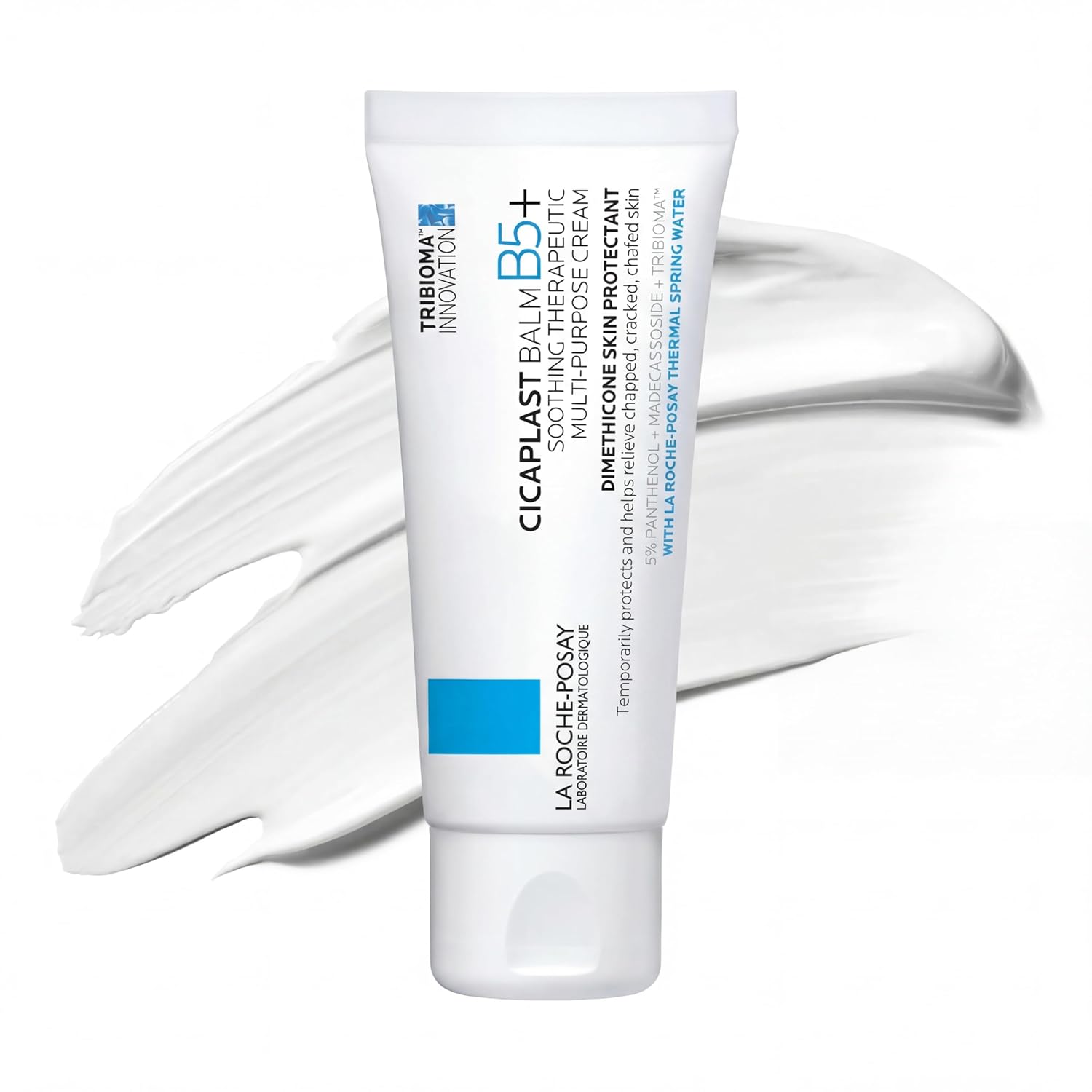
Dryness, dehydration and acne treatment call for different choices
If skin is naturally dry, a cream may provide more comfort than a light gel. If an oily face feels tight after acids or harsh cleansing, changing treatment frequency and cleansing can matter as much as a richer moisturizer. Use the dehydration routine before adding several serums.
If you are dry and acne-prone, choose a non-comedogenic product you tolerate and keep the treatment plan separate. The dry acne-prone routine explains why moisturizer can help medication tolerance instead of “feeding” every breakout.[2]
Serum or cream: what the label can tell you
Glycerin and hyaluronic acid are humectant cues; ceramides are barrier-lipid cues; ingredients such as petrolatum and dimethicone can reduce moisture loss. A moisturizer may combine these functions. You do not need to buy a separate ingredient product for every word on the label.
Read whether an HA serum adds value. Apply a plain moisturizer after cleansing, and use it before sunscreen in the morning. Check the order guide for treatments that require dry skin or allow buffering.
When a richer product is not the answer
Fragrance-free is a useful starting point for reactive skin, not a guarantee of tolerance. Repeated burning, cracking, bleeding or rash needs assessment rather than escalating to a heavier cream. Test new formulas separately and stop a product causing a continuing reaction.[3]
For ordinary seasonal dryness, adjust texture and application while keeping gentle cleansing and sun protection. If an active caused the change, review that active instead of layering more products to endure it.
How to choose moisturizers for dry skin
The best dry-skin moisturizer is not just “rich”; it combines water-binding humectants with barrier-supporting and water-sealing ingredients. Dermatology guidance on dry skin emphasizes fragrance-free products and moisturizers that make skin comfortable, while barrier research supports the importance of lipids such as ceramides.[1][4][5]
Look for glycerin, hyaluronic acid, ceramides, petrolatum, dimethicone, shea butter, colloidal oatmeal, and fragrance-free labeling. Lotions can work for mild dryness, but creams and ointments usually serve very dry or winter skin better.
- Prioritizes fragrance-free barrier repair.
- Uses humectants plus sealing ingredients.
- Feels comfortable long enough to be used twice daily if needed.
- Avoids making dry skin depend on exfoliation for softness.
How to use this category safely
Apply moisturizer while skin is still slightly damp, especially after cleansing or showering. For very dry areas, a thin layer twice daily is usually more useful than one dramatic application at night. If your skin stings with everything, pause actives and rebuild the barrier first.
The most common shopping mistake is treating a category roundup like a shopping list. You usually need one product from a category, not every promising product in it. If you add a new product, keep the rest of the routine stable for at least several uses so you can tell whether it helped, did nothing, or irritated your skin.
Who should skip, patch-test, or ask a dermatologist
If dryness cracks, bleeds, wakes you with itch, or comes with a rash, treat it as more than cosmetic dryness. Eczema, contact dermatitis, psoriasis, and infection need a different level of care.[3]
Patch-testing is especially important if you have sensitive skin, eczema history, fragrance allergy, frequent rashes, or a pattern of products that sting on contact. Product roundups can narrow the field, but they cannot diagnose acne, dermatitis, melasma, rosacea, infection, or a suspicious lesion.