Best-of roundup
Best Products for Acne-Prone Skin
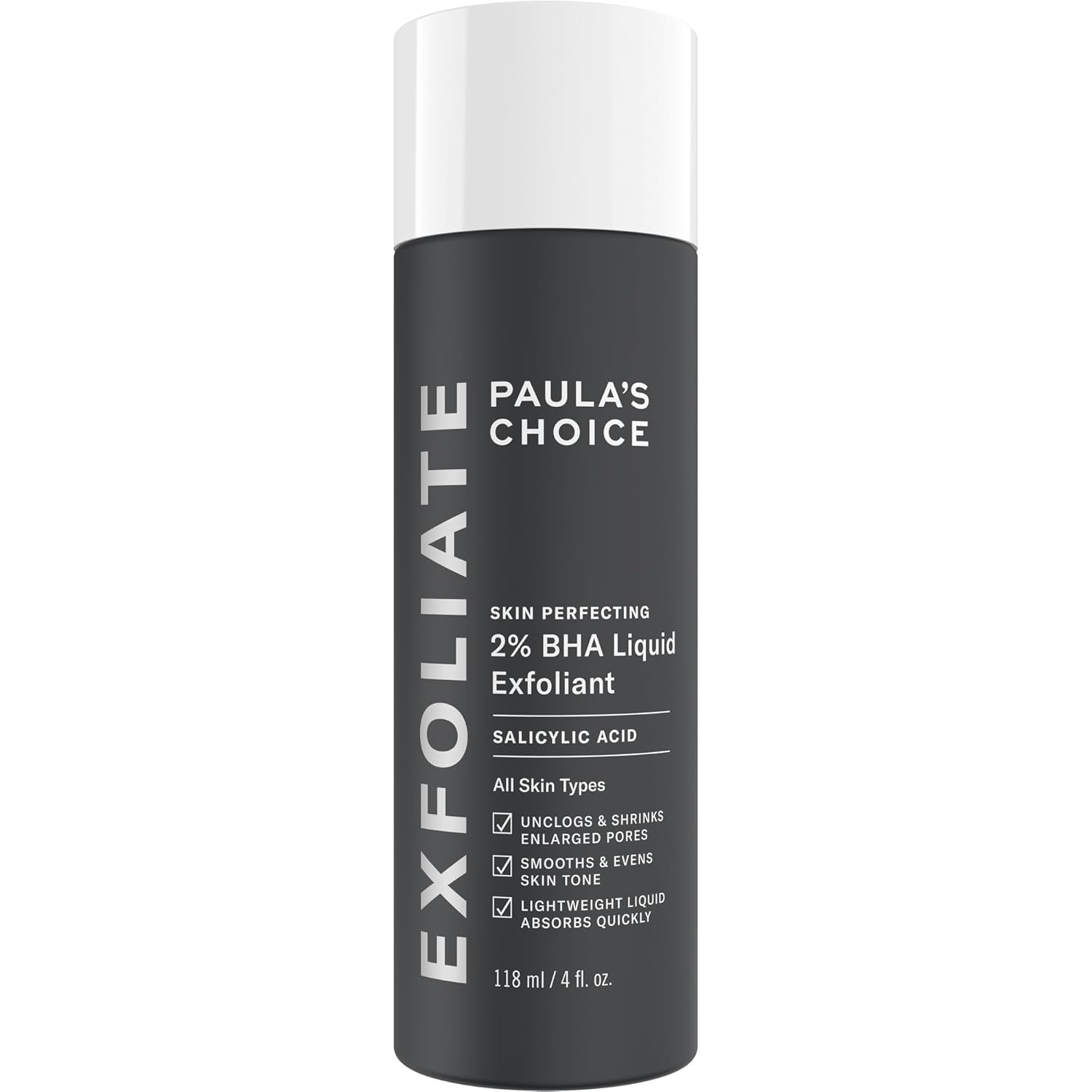
An acne routine needs treatment and support products. Salicylic acid, benzoyl peroxide and adapalene serve different treatment roles; cleanser, moisturizer and sunscreen help make the plan usable. Choose by the type of acne and tolerance, not by buying every active on this list.[1]
The catalog comparison includes several routine jobs. Ratings describe consumer experience rather than clinical effectiveness, and persistent or scarring acne needs professional care.
Catalog products ordered by customer rating and review volume, with recent purchase volume and estimated price as tie-breakers. Roles describe formulas, not clinical winners. Affiliate links, no paid placements. Full methodology & sources.
By the Find My Skin Routine editorial team · Updated quarterly · Last updated November 4, 2026 · How we pick & sources
Choose a routine before assembling an acne shopping list
For oily skin with recurring breakouts, use the oily acne-prone routine. For dryness alongside acne, use the moisturizer-focused plan. For frequent reactions, the sensitive acne-prone routine starts with tolerance.
A cleanser alone may not be enough for persistent acne. Salicylic acid is relevant to clogged pores, benzoyl peroxide targets acne-associated bacteria and adapalene is an acne retinoid. Cosmetic retinol and niacinamide are not equivalent replacements for all of these treatments.[1]
Prevent duplicate actives across categories
Check a wash, toner and serum for overlapping ingredients before combining them. A salicylic-acid cleanser plus BHA toner plus new retinol can add irritation without creating a better starting plan. See combined-use guidance and wash versus leave-on formats.
Our recommendation engine matches catalog tags to your answers; it does not diagnose acne or replace a clinician’s medication plan. Review the actual labels even after taking the quiz, and do not assume every suggested serum belongs alongside every medication you already use.
Marks, scars and realistic treatment expectations
Flat discoloration after acne is different from indented or raised scars. Use the dark-spot routine for pigment context and azelaic acid guidance for formulation limits. Do not scrub scars in an attempt to fade them.
AAD notes that fewer breakouts often take at least six to eight weeks. Seek help sooner for painful lumps, scars or worsening symptoms. Avoid retinoids during pregnancy and check new treatment choices with your clinician when pregnant or planning pregnancy.[1][2]
How to choose skincare for acne-prone skin
Acne product roundups should be judged by mechanisms, not vibes. Benzoyl peroxide targets acne-associated bacteria, salicylic acid helps clogged pores, topical retinoids help normalize turnover, and moisturizers make those treatments tolerable. AAD guidance supports combining acne therapies thoughtfully rather than relying on repeated cleansing alone.[1][3][4]
Look for benzoyl peroxide, salicylic acid, adapalene, sulfur, azelaic acid, niacinamide, non-comedogenic, and oil-free. Be careful when a kit includes several drying actives at once; acne-prone skin can still become overtreated.
- Contains a proven acne-relevant active or supports tolerance.
- Fits a complete routine rather than duplicating irritation.
- Uses non-comedogenic textures where possible.
- Separates inflamed acne, clogged pores, and post-acne marks.
How to use this category safely
Introduce acne products slowly and judge them over weeks. Use moisturizer even if you are oily. Use sunscreen when treating post-acne marks, using retinoids, or using exfoliating acids. If benzoyl peroxide is involved, protect fabrics.
The most common shopping mistake is treating a category roundup like a shopping list. You usually need one product from a category, not every promising product in it. If you add a new product, keep the rest of the routine stable for at least several uses so you can tell whether it helped, did nothing, or irritated your skin.
Who should skip, patch-test, or ask a dermatologist
Skip over-the-counter experimentation for nodules, cysts, scars, or acne that is not improving. Prescription care may prevent marks and reduce the emotional load of waiting.[1]
Patch-testing is especially important if you have sensitive skin, eczema history, fragrance allergy, frequent rashes, or a pattern of products that sting on contact. Product roundups can narrow the field, but they cannot diagnose acne, dermatitis, melasma, rosacea, infection, or a suspicious lesion.